How to Identify Wood Rot in Porch Columns (Before It Becomes a Safety Hazard)
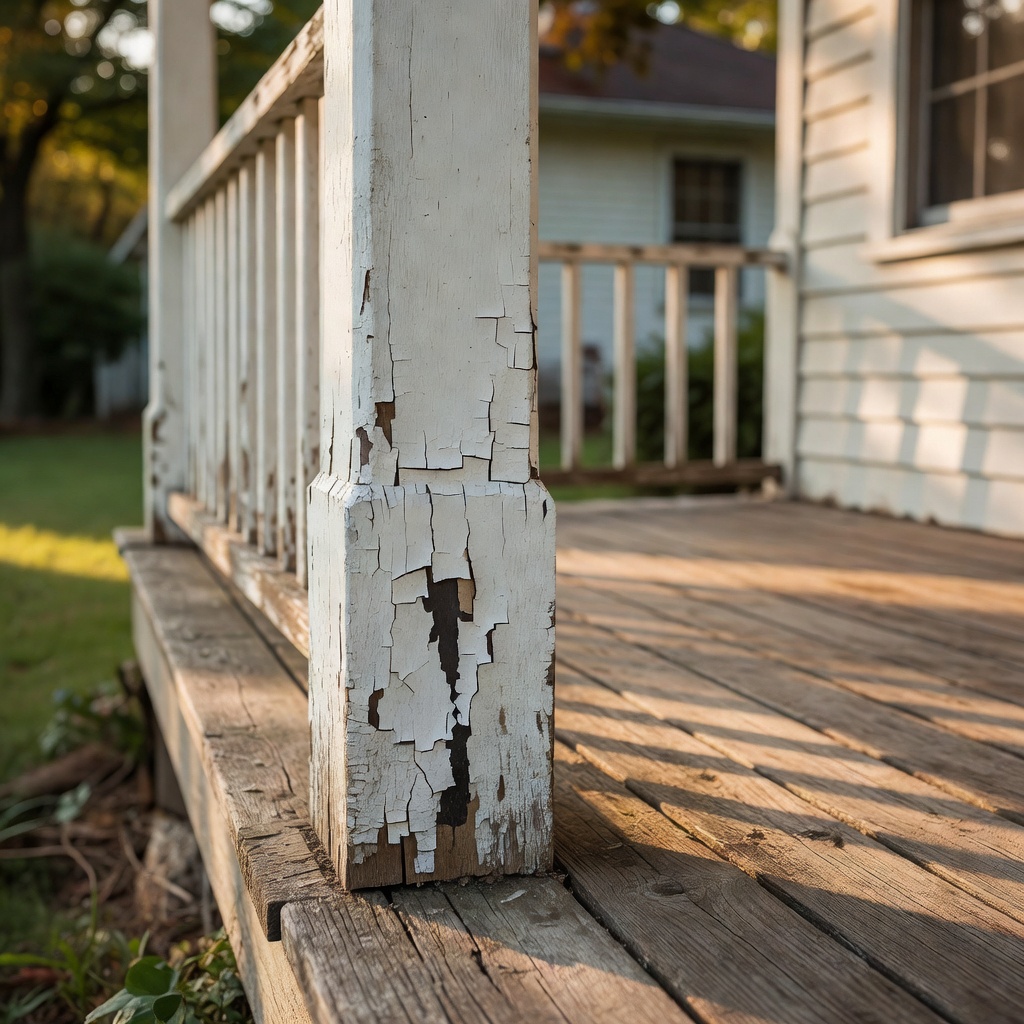
Wood rot in porch columns is sneaky — it often starts from the inside out, making it hard to spot until serious damage has already occurred. Here's exactly what to look for before a small problem turns into a costly structural repair.
Why Porch Column Rot Is More Serious Than It Looks
Porch columns aren't just decorative — they're load-bearing structural members that support your roof, your porch ceiling, and sometimes a second-floor balcony above. When wood rot sets in, it silently eats away at the column's ability to carry that weight. By the time you can see visible damage from the curb, the structural integrity may already be seriously compromised.
The good news? With a careful inspection, most homeowners in Northern Virginia can catch rot early — before it leads to a sagging roofline, cracked beam, or worse.
The 6 Signs of Wood Rot in Porch Columns
1. Soft or Spongy Spots
Grab a screwdriver or a key and press firmly against the base of the column, especially where it meets the porch floor. Healthy wood is hard and resistant. Rotted wood feels soft, spongy, or crumbles easily. This is often the most reliable early test you can do yourself.
Where to check: The bottom 12 inches of the column, where moisture collects from rain splash-back and standing water.
2. Discoloration or Dark Staining
Look for unusual color changes — dark brown or black streaks running vertically down the column, or grayish patches that don't match the surrounding paint. This staining is often caused by water infiltrating the wood grain and promoting fungal growth, which is the engine of wood rot.
Tip: Discoloration is often more visible after rain, when moisture darkens affected areas differently than healthy wood.
3. Paint That Won't Stay On
If you notice paint peeling, bubbling, or cracking in the same spot year after year — even after fresh coats — that's a red flag. Moisture trapped inside the wood expands and contracts with temperature changes, pushing paint off from underneath. It's not a paint problem; it's a wood problem beneath the surface.
4. Visible Cracks Running Along the Grain
Wood naturally develops minor surface checks over time, but long, deep cracks that run with the grain of the wood can allow water to penetrate deep into the column's core. Once moisture gets inside a closed crack, it can't evaporate properly — creating the perfect dark, damp environment for rot fungi to thrive.
5. A Hollow Sound When Tapped
Knock on the column the way you'd knock on a door. Solid, healthy wood produces a firm, dense thud. A hollow or papery sound suggests that the interior has been eaten away, even if the outer surface still looks fine. This is how columns can appear fine on the outside while being structurally compromised on the inside.
Work your way up: Start at the base and tap every few inches upward. A change in sound pinpoints where the rot zone begins or ends.
6. Obvious Fungal Growth or Mushrooms
If you can see mushrooms, white fuzzy growth, or dark mold patches on or near the base of a column, rot is already well advanced. Fungal fruiting bodies only appear after months or years of moisture damage. At this stage, professional repair or replacement is almost certainly needed.
The High-Risk Zones on Porch Columns
Wood rot doesn't happen randomly — it concentrates in specific spots driven by moisture patterns. Pay extra attention to:
- Column base and bottom cap: Direct contact with the porch floor traps water. This is the #1 spot for rot.
- End grain: The cut ends of wood (top and bottom) absorb water like a sponge and should always be properly sealed or capped.
- Horizontal joints: Any place where two pieces of trim meet horizontally holds water. Check around decorative column bases and capitals.
- North-facing columns: These get less sun and stay damp longer after rain, making them especially vulnerable.
- Columns near downspouts or mulch beds: Splash-back and high ground moisture accelerate rot dramatically.
Can You Repair It Yourself?
Minor surface rot — limited to the outer layer of wood with the structural core still solid — can sometimes be treated with an epoxy wood consolidant and filler. These products stabilize the damaged wood and can be painted over for a clean finish.
However, if the rot extends to the structural core of the column, or if the column has shifted or is visibly sagging, this is not a DIY repair. The column must be properly supported, removed, and replaced while protecting the roof structure above. Attempting this without experience can result in serious roof damage or injury.
When to Call a Professional
You should contact a porch repair professional if:
- The column fails the screwdriver test (soft or crumbling wood)
- You hear a hollow sound through more than a few inches of the column
- The porch ceiling or roofline above the column shows any sagging or cracking
- The column base has visibly separated from the floor or beam above
- You see any fungal growth
At that point, speed matters. A compromised column that still appears to be standing can fail unexpectedly — especially under additional loads like heavy snow or ice, which are common in Stafford County, Spotsylvania, and the Fredericksburg area during winter months.
Get a Free Assessment from a Local Expert
If you've spotted any of these warning signs on your Northern Virginia home, don't wait. A professional inspection takes less than an hour and gives you a clear picture of whether you're looking at a minor repair, a full column replacement, or something in between. Most homeowners are relieved to find out the damage is more manageable — and less expensive — than they feared.
Contact our team today for a free quote. We serve Stafford County, Fredericksburg, Spotsylvania County, and Prince William, Virginia, and most jobs are assessed within 24 hours.

Written by the PorchFix Team
Dedicated to keeping Northern Virginia homes looking their best with professional repair and quality craftsmanship.
Worried about your porch?
Get a professional repair review and fixed-price quote from Northern Virginia's porch repair specialists.